Dementia care in North Texas is evolving, with new approaches to residential support emerging across key communities.
MCKINNEY, THE WOODLANDS, & HIGHLAND VILLAGE, TX, UNITED STATES, May 8, 2026 /EINPresswire.com/ — Village Green Memory Care Community has drawn attention to the evolving structure of dementia care services across North Texas, where growing demand is shaping how residential support systems operate in communities such as McKinney, The Woodlands, and Highland Village. Differences in care delivery models, supervision levels, and support services across these regions reflect broader changes in how long-term cognitive care is being organized and accessed.
The current landscape of dementia care includes multiple service frameworks designed to address varying stages of cognitive decline. These frameworks range from structured residential environments to broader systems that incorporate caregiver support and healthcare coordination. Understanding how these services function in practice is becoming increasingly relevant for families and professionals navigating long-term care planning.
Regional Variation in Dementia Care Services
Dementia care services across North Texas are not uniform. Communities such as McKinney, The Woodlands, and Highland Village each reflect localized approaches shaped by population needs, available infrastructure, and coordination with healthcare providers.
Memory care in McKinney, TX, is typically delivered through residential environments designed specifically for individuals with Alzheimer’s disease and related dementias. These environments emphasize structured routines and consistent supervision. In The Woodlands, Alzheimer’s care support extends beyond residential care and often includes caregiver-focused resources and broader healthcare coordination. Meanwhile, senior dementia care in Highland Village reflects a combination of residential care services and community-based support systems.
These regional differences illustrate how dementia care is adapting to meet the needs of diverse populations while maintaining a consistent focus on safety and structured support.
How Memory Care Functions in Residential Settings
Memory care environments are designed to address the unique challenges associated with cognitive impairment. Unlike general senior living arrangements, these settings incorporate features that support individuals experiencing memory loss, confusion, and behavioral changes.
In memory care in McKinney, TX, residents typically receive assistance with activities of daily living, including dressing, bathing, and medication management. Structured schedules are implemented to provide predictability, which can help reduce anxiety and disorientation.
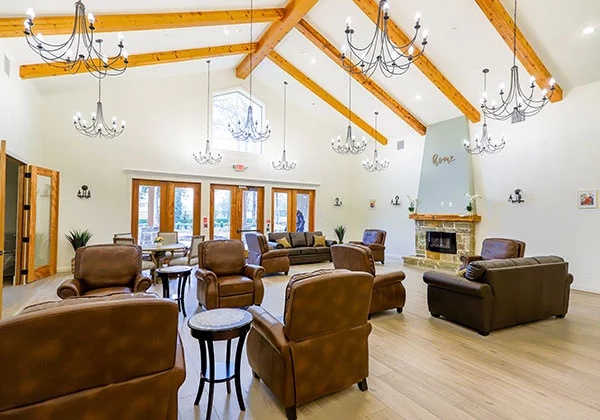
Environmental design is also a key component. Residential settings often include secured access points, simplified layouts, and clearly defined living spaces to support safe navigation. These features are intended to reduce risks associated with wandering and confusion, which are common in individuals with dementia.
The goal of these environments is not only to provide supervision but also to create a stable and supportive setting that accommodates changing cognitive needs.
Support Systems Beyond Residential Care
Alzheimer’s care support in The Woodlands represents a broader framework that extends beyond residential memory care environments. While residential care remains essential for individuals with moderate to advanced cognitive decline, additional support systems play a significant role in overall care delivery.
These systems may include caregiver education programs, healthcare coordination, and access to community-based services. Family caregivers often rely on these resources to manage responsibilities before transitioning to full-time residential care.
The integration of residential and non-residential support services reflects a more comprehensive approach to dementia care. It allows individuals to receive appropriate levels of support at different stages of the condition while maintaining continuity of care.
Planning Pathways for Cognitive Decline
Senior dementia care in Highland Village highlights the importance of planning for progressive cognitive conditions. Dementia is not a static diagnosis; it evolves over time, requiring adjustments in care approaches and living arrangements.
In early stages, individuals may remain in their homes with support from family members or community-based services. As the condition progresses, structured residential environments often become necessary to ensure safety and consistent care.
Planning pathways typically involve evaluating factors such as cognitive function, physical health, safety risks, and caregiver capacity. Families who engage in early planning are often better prepared to navigate transitions between care models.
Senior dementia care in Highland Village reflects a localized approach to these transitions, with services designed to accommodate changing needs over time.
Operational Differences Across Care Models
Different care models serve distinct purposes within the broader dementia care system. Memory care in McKinney, TX focuses on structured residential support for individuals with cognitive impairment. Alzheimer’s care support in The Woodlands incorporates both residential and non-residential services. Senior dementia care in Highland Village represents a combination of localized residential care and community-based support.
These differences are important for understanding how care is delivered and how individuals move between services. While there may be overlap in certain areas, each model is designed to address specific needs.
Recognizing these distinctions can help families make informed decisions based on the level of care required and the progression of the condition.
Safety, Supervision, and Daily Structure
Safety remains a central consideration in all dementia care environments. Individuals with cognitive impairment may experience disorientation, impaired judgment, and increased risk of falls or wandering.
Memory care in McKinney, TX typically incorporates continuous supervision, secured entry points, and environmental design features that support safe movement. Daily routines are structured to provide consistency, which can help reduce anxiety and behavioral disruptions.
In The Woodlands, Alzheimer’s care support may include both residential safety measures and caregiver education aimed at managing risks in home settings. Senior dementia care in Highland Village also emphasizes safety through supervised environments and routine-based programming.
These measures are essential for maintaining a secure and stable living environment for individuals with dementia.
Coordination Between Families and Care Providers
Effective dementia care involves ongoing communication between families and care providers. This coordination ensures that care plans remain aligned with residents’ needs and that any changes in condition are addressed promptly.
Memory care in McKinney, TX often includes regular care planning meetings and updates for families. Alzheimer’s care support in The Woodlands may involve coordination with healthcare professionals and community resources. Senior dementia care in Highland Village also emphasizes collaboration between caregivers and residential staff.
This level of communication helps maintain continuity of care and supports informed decision-making for families.
Regulatory Considerations and Standards
Residential dementia care services operate within regulatory frameworks that establish standards for staffing, safety, and operations. These regulations are designed to protect residents and ensure consistent care delivery.
Memory care in McKinney, TX, Alzheimer’s care support in The Woodlands, and senior dementia care in Highland Village are subject to state-specific requirements governing staff training, medication management, and emergency preparedness.
Understanding these regulatory standards is important for evaluating care providers and ensuring compliance with established guidelines.
Evolving Approaches in Dementia Care
Dementia care continues to evolve as research advances and population needs change. Providers are increasingly focusing on person-centered approaches that prioritize individualized care and quality of life.
Emerging developments include improvements in environmental design, enhanced staff training, and the integration of supportive technologies. These advancements are influencing how care is delivered across regions such as McKinney, The Woodlands, and Highland Village.
The growing demand for memory care services reflects broader demographic trends and highlights the importance of adaptable care models.
About Village Green Memory Care Community
Village Green Memory Care Community operates residential care environments in Texas designed for individuals experiencing cognitive decline. The organization provides structured memory care services, including daily assistance, routine-based programming, and secured living arrangements. Care planning is individualized and adjusted as needs evolve. The community coordinates with external healthcare professionals and maintains compliance with applicable regulatory requirements. Its approach focuses on providing stable residential settings that support safety, supervision, and continuity of care for individuals with Alzheimer’s disease and related dementias.
Zahra Sabir
Village Green Alzheimers Care
+1 281-208-5876
info@villagegreenalzheimerscare.com
Visit us on social media:
LinkedIn
Instagram
Facebook
Legal Disclaimer:
EIN Presswire provides this news content “as is” without warranty of any kind. We do not accept any responsibility or liability
for the accuracy, content, images, videos, licenses, completeness, legality, or reliability of the information contained in this
article. If you have any complaints or copyright issues related to this article, kindly contact the author above.

Media gallery