
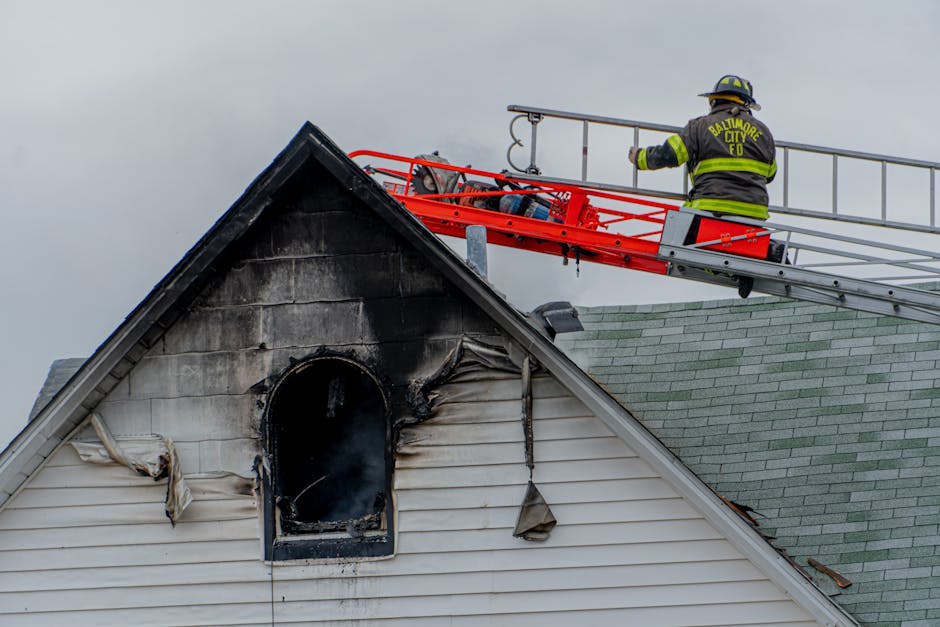
 Photo from Pexels
Originally Posted On: https://capitaladjustingservices.com/does-homeowners-insurance-cover-fire-damage/
If you are dealing with fire damage, the first question is usually the same: does homeowners insurance cover fire damage? In most cases, yes. Standard homeowners policies typically cover accidental fire damage to your home and belongings, and they may also help pay for temporary living expenses if you cannot safely stay in your home while repairs happen. The details that matter are the cause of the fire, your policy limits, your deductible, and how well the loss is documented.
This guide breaks down what is typically covered, what can be excluded or limited, and the practical steps you can take after a fire to help protect your claim. If you want direct support, start here: fire damage insurance claim help from Capital Adjusting Services.
Quick answer
In general, homeowners insurance covers fire damage to:
- Your dwelling (the structure of your home)
- Other structures (like a detached garage or shed)
- Personal property (your belongings)
- Loss of use or additional living expenses (hotel, meals, laundry) if the home is uninhabitable
Coverage is still subject to your policy limits, deductible, and specific exclusions. Fire coverage is common, but the payout amount and the scope an insurer agrees to can vary widely depending on documentation and how the damage is evaluated.
What fire damage does homeowners insurance usually cover?
Most homeowners policies include multiple buckets of coverage that can apply after a fire. Understanding these buckets helps you spot what may be missing from an insurer’s initial estimate and what documentation you should focus on.
Dwelling coverage (the structure of your home)
Dwelling coverage generally applies to the physical structure: framing, drywall, insulation, flooring, cabinetry, built-ins, roofing, electrical, plumbing, and HVAC components that were damaged by heat, flames, smoke, or soot. It can also extend to related damage from firefighting efforts, such as water damage from hoses or damage from forced entry used to reach the fire.
Important nuance: “Smoke damage” is not always limited to what you can see. Soot, odor, and particulate contamination can penetrate porous materials and spread through HVAC systems. That can turn a “small” event into a much larger cleaning and restoration scope.
Other structures coverage
Many policies include coverage for other structures on the property, such as detached garages, sheds, and fences. The limits for other structures are often a percentage of your dwelling limit, but you should confirm on your declarations page.
Personal property coverage (contents)
Personal property coverage can help replace belongings that were destroyed or damaged by fire, smoke, soot, or water used to extinguish the fire. This includes items like furniture, clothing, cookware, electronics, and decor.
Two common pain points:
- Sub-limits: certain categories (jewelry, collectibles, cash, some electronics) can have lower category limits.
- Valuation: the difference between replacement cost and actual cash value can materially change what you receive for contents.
Loss of use (additional living expenses)
If your home is not safe to live in, many policies include loss of use coverage, often called additional living expenses (ALE). This may help cover things like temporary housing, meals above your normal spending, laundry, and other necessary costs while your home is being repaired.
ALE is one of the most commonly under-tracked areas of a fire claim. Keep a simple, consistent paper trail (more on that below).
When fire damage is covered and when it is not
Fire is commonly covered, but coverage often hinges on whether the event is accidental and whether the policyholder complied with policy conditions.
Fire damage that is typically covered
In many cases, homeowners insurance covers accidental fires caused by things like:
- Cooking accidents
- Electrical issues
- Heating equipment problems
- Lightning
- Wildfires (often covered, though availability and terms can vary by region)
Situations that can be excluded or disputed
Coverage can be limited or denied in scenarios such as:
- Intentional acts or fraud
- Certain policy violations or misrepresentations
- Damage tied to poor maintenance or long-term neglect (policy language and facts matter)
- Certain high-risk wildfire situations where coverage is excluded, limited, or subject to special deductibles or separate fire coverage
If you are not sure what applies, do not guess. Pull your declarations page and your full policy form and confirm what endorsements or exclusions are attached.
Common exclusions and limitations to watch for
Even when fire damage is covered, the settlement can still fall short if key categories are missed or limited.
Replacement cost vs actual cash value
Some policies pay actual cash value (ACV) initially, which accounts for depreciation. Others pay replacement cost value (RCV) if you repair or replace and comply with policy requirements.
If you do not understand which valuation standard applies to your dwelling and contents, ask in writing. This alone can change the settlement by thousands.
Ordinance or law coverage
If building codes have changed since your home was built, you may need upgraded materials or methods during reconstruction. Some policies include limited ordinance or law coverage, while others require an endorsement. If the rebuild requires code upgrades and the policy does not include this coverage, you could have a gap.
Smoke odor, soot, and contamination scope
Smoke and soot issues can be tricky because the damage is not always obvious. In many claims, the debate is less about whether smoke damage exists and more about how far it spreads and what the appropriate cleaning or replacement scope should be.
If you are also dealing with persistent odor, this smoke odor guide is a helpful companion resource.
Debris removal and demolition
Fire losses often require demolition and debris removal before rebuilding can even begin. Some policies include this as part of coverage, but limits and documentation still matter.
What to do after a fire to protect your claim
The best time to make a fire claim easier is immediately after the event, when details and evidence are still available.
1) Prioritize safety and prevent further damage
Only return to the property when cleared by local authorities. Once it is safe, take reasonable steps to prevent additional damage. This can include boarding up openings, tarping, shutting off water, or removing wet materials if required to prevent further damage.
Keep every receipt. Temporary mitigation costs are often reimbursable, but they are also frequently challenged when documentation is incomplete.
2) Document the scene before cleanup
Before cleaning or discarding items (when practical and safe), capture:
- Wide photos of every room
- Close-ups of damaged materials
- Photos of serial numbers on electronics
- Photos of model numbers on appliances
- Photos of smoke staining, soot patterns, and HVAC registers
Video walkthroughs are useful because they show context and scale.
3) Build a room by room contents inventory
Contents are often where claim values erode. A strong inventory should include:
- Item description (brand, model, size)
- Quantity
- Approximate age
- Replacement cost estimate
- Photos (if available)
You do not need receipts for everything to prove ownership, but the more detail you provide, the harder it is for an insurer to minimize the value.
4) Track additional living expenses (ALE) daily
Use a simple spreadsheet or notes app and log:
- Lodging costs
- Meal expenses above normal spending
- Laundry
- Pet boarding
- Mileage if you are traveling farther because of displacement
Save receipts and credit card statements. ALE reimbursement is much smoother when it is organized and easy to review.
5) Do not rush into a settlement
After a fire, it is normal to want the process over quickly. But early estimates can miss hidden damage, code upgrade costs, specialty cleaning, and total contents scope. If something feels off, slow down and verify the scope before signing releases.
When to consider hiring a public adjuster
A fire claim can become complicated fast, especially when multiple types of damage stack together: structural, contents, smoke contamination, and displacement.
You may benefit from a public adjuster if:
- The loss is large or the home is unlivable
- You are seeing delays, repeated document requests, or shifting explanations
- The insurer’s estimate seems low or incomplete
- There are disputes about smoke contamination, odor remediation, or what needs to be replaced
- You are overwhelmed and need a clear plan and someone to advocate for you
Capital Adjusting Services represents policyholders, not insurance companies. The team helps document the loss, build a complete claim package, and negotiate for a fair settlement. Learn more about fire claims support here: https://capitaladjustingservices.com/claims/fire-damage/
FAQ: Homeowners insurance and fire damage
Does homeowners insurance cover fire damage and smoke damage?
In many cases, yes. Homeowners insurance commonly covers accidental fire damage and related smoke damage, subject to policy limits and exclusions. The most common disputes involve the scope of smoke contamination and what materials can be cleaned versus what should be replaced.
Does homeowners insurance cover wildfire damage?
Standard homeowners policies often cover fire, including wildfire, but availability and terms can vary in high-risk regions. Some homeowners in wildfire-prone areas may face special deductibles, limited options, or separate fire coverage requirements.
Does homeowners insurance cover electrical fires?
Electrical fires are commonly covered when they are accidental. If an insurer argues the damage was caused by long-term neglect or an excluded condition, documentation and inspection details become especially important.
Does insurance cover water damage from putting out a fire?
Often, yes. Damage from firefighting efforts can be part of the covered loss when the fire itself is covered. Confirm your policy language and ensure the scope includes drying, removal of wet materials, and repair where needed.
Will insurance pay for a hotel and meals after a house fire?
Many policies include loss of use coverage (additional living expenses) if the home is uninhabitable. Typically, this includes reasonable extra costs you would not have had if the fire never happened. Keep receipts and track spending consistently.
How long do I have to file a fire insurance claim?
Time limits vary by policy and by state. Report the loss as soon as practical and ask your insurer to confirm any claim filing deadlines in writing.
Can my claim be denied if the fire was caused by negligence?
It depends. Many accidental scenarios are still covered, but insurers may investigate causation and policy conditions. The facts, documentation, and policy language will determine how the claim is handled.
What is the difference between replacement cost and actual cash value?
Replacement cost generally reimburses the cost to replace an item with a similar new item, while actual cash value accounts for depreciation. Some policies pay ACV first and then pay additional funds when replacement is completed.
Do I need receipts for everything I claim?
Receipts help, but they are not always required for every item. Photos, bank statements, manuals, serial numbers, warranties, and detailed descriptions can also support your inventory.
Should I accept the first settlement offer?
Not automatically. Early offers can miss hidden damage, code-related costs, or full contents scope. If you are unsure, seek clarification on what is included and what is excluded before you sign anything.
Get help with your fire damage insurance claim
Fire losses are overwhelming, and insurance policies can feel intentionally confusing when you are under pressure. The good news is that homeowners insurance often covers fire damage. The challenge is making sure the claim scope and documentation reflect the true cost of repair, replacement, and displacement.
If you are dealing with fire or smoke damage and want help documenting the loss and negotiating a fair settlement, Capital Adjusting Services can help.
Start here for fire claim support: https://capitaladjustingservices.com/claims/fire-damage/ or contact the team here: https://capitaladjustingservices.com/contact-us/
